

Resources
At Lifeways Consulting one of our aims is to provide clients with the knowledge and skills to navigate and problem solve through life with the required resilience. That is why we have developed this page. Books are a good way to take pieces of information and add them to your toolkit of life. We believe knowledge is power and books can give us that in abundance.
Whether you like to pick up a hard copy, or download an audio book, we have compiled a list of books that can help you explore a range of topics including emotional wellbeing, relationships, trauma and personal growth. They offer diverse perspectives and practical ideas that may support learning and self reflection. If any of these titles spark your interest, they are available to purchase through Booktopia using the individual links provided. The Booktopia links on this page are affiliate links and will take you to the Booktopia website. Lifeways Consulting may receive a small commission if you choose to purchase through these links, at no extra cost to you.
Remember to keep checking in as we will always be updating the page with more books and resources, and if you have any suggestions for us, drop us your ideas through our contact page and we will review your suggestion and maybe even add it to our list.
Please note: The books listed on this page are provided as general resources for information and personal reflection only. They are not intended to replace individual counselling, therapy, or professional mental health support. Every person’s situation is unique, and the ideas or strategies presented in these books may not be suitable for everyone. If you are experiencing distress or would like personalised support, it is recommended that you seek guidance from a qualified mental health professional.
The Body Keeps the Score by Bessel van der Kolk explains how trauma is stored in the body and nervous system, not just in memory. Traumatic experiences can reshape the brain, disrupt emotional regulation, and keep the body in a constant state of threat, long after the danger has passed. The book shows why talking alone is often not enough to heal trauma and highlights body-based approaches—such as EMDR, somatic therapies, and yoga—that help restore a sense of safety, control, and connection.
Adult Children of Emotionally Immature Parents by Lindsay C. Gibson explains how growing up with emotionally immature caregivers—who are self-absorbed, dismissive, unpredictable, or emotionally unavailable—can leave lasting effects on adult children. The book describes how these parents often fail to meet a child’s emotional needs, forcing the child to adapt by becoming overly responsible, people-pleasing, emotionally withdrawn, or hyper-independent.
The book introduces different types of emotionally immature parents and explores how their behavior shapes attachment, self-esteem, and relationship patterns in adulthood.
Dodging Energy Vampires by Dr. Christiane Northrup explains how to recognise people who drain your emotional and physical energy and how to protect yourself without guilt or conflict. The book identifies common “energy vampire” personality types, shows how they hook others into drama or responsibility, and emphasises that strong boundaries, self-awareness, and self-care are the key to staying balanced. Its core message is that when you stop engaging, fixing, or over-giving, energy vampires lose their power and your wellbeing improves.
Dare to Lead by Brené Brown is a leadership book that argues true leadership isn’t about power or titles — it’s about courage, vulnerability, and connection. Brown shows that great leaders embrace vulnerability (not as weakness but as a strength), have honest conversations, and build trust through clear values and dependable behaviour. She offers practical frameworks — like rumbling with vulnerability, living into your values, BRAVING trust, and learning to rise from setbacks — to help people lead bravely, cultivate psychological safety, and foster cultures where teams can innovate, grow, and thrive together.
It Didn’t Start With You by Mark Wolynn is a self-help book about how emotional pain and trauma can be passed down through families and shape your thoughts, behaviours, fears, and even physical symptoms — often without you realising it. Wolynn explains that many issues (like anxiety, depression, phobias, chronic pain or relationship patterns) may not originate in your own life but in unresolved experiences of parents, grandparents or earlier ancestors.
The book combines scientific research (including neuroscience and epigenetics) with real case stories and introduces practical tools — especially the Core Language approach — to help you uncover hidden family trauma, understand how it shows up in your life, and break the cycle so you can heal and create new patterns for future generations.
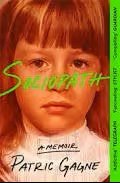
Sociopath: A Memoir by Patric Gagne is a personal and candid autobiography in which the author explores her life living with sociopathy — a form of antisocial personality disorder. From early childhood, Gagne realises she doesn’t experience emotions like empathy, guilt or fear the way others do, which leads to disruptive and at times dangerous behaviours as she grows up. Later, she earns a PhD in psychology to better understand herself and challenge the stigma around sociopathy, while also finding love, building relationships, and trying to live a meaningful life. The memoir aims to demystify what it means to be a sociopath and emphasise that such individuals aren’t inherently “monsters,” but people with a misunderstood and complex condition.
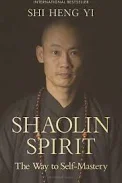
Shaolin Spirit: The Way to Self‑Mastery by Shi Heng Yi is a modern guide to applying the wisdom of the 1,500‑year‑old Shaolin tradition to everyday life. Rather than focusing solely on martial arts, the book shows how the mind‑body practices rooted in Zen and Taoist philosophy can help you cultivate discipline, resilience, clarity, balance and inner strength. Through philosophical insights and twelve key practices, it offers tools to improve things like sleep, decision‑making, relationships and physical confidence, helping readers pursue greater purpose, calm and self‑mastery in a chaotic world.
Recovery 2.0 by Tommy Rosen is a holistic guide to overcoming addiction and building a thriving life beyond it. Drawing on his own 20+ years in recovery and experience as a yoga teacher, Rosen expands on traditional 12‑Step approaches by integrating mind‑body practices (like meditation, breathing and yoga), a nutrient‑rich diet, and self‑discovery tools to address not just the symptoms but the deeper roots of addictive behaviour. The book encourages readers to explore their personal “addiction story,” strengthen body awareness, and find purpose and service in life — not just to survive recovery, but to flourish in it.
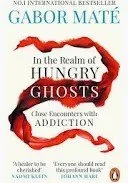
In the Realm of Hungry Ghosts: Close Encounters with Addiction by Dr. Gabor Maté is a compassionate, science‑based exploration of addiction that reframes it not as a moral failing but as a response to deep emotional pain and unmet needs. Drawing on decades working with severely addicted patients in Vancouver’s Downtown Eastside, Maté blends personal stories, neuroscience, psychology, and Buddhist metaphor — the “hungry ghost” representing insatiable craving — to show how addiction arises from trauma, stress and disrupted early development. He argues that compassionate understanding, trauma awareness, and social support — not punishment — are essential for healing and that addiction exists on a continuum that touches all of us in one form or another.
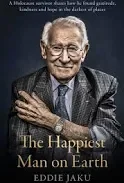
The Happiest Man on Earth by Eddie Jaku is a powerful and uplifting memoir in which Holocaust survivor Eddie Jaku shares his extraordinary life story and the wisdom he gained from it. After enduring unimaginable horrors in Nazi concentration camps, including Buchenwald and Auschwitz, and losing most of his family and friends, Jaku resolved that the best revenge against hatred and cruelty was to choose happiness, kindness and gratitude every day. The book reflects on his survival, resilience, love, forgiveness and joy, showing how he rebuilt his life, emphasised the importance of compassion, and found happiness even in the darkest circumstances.
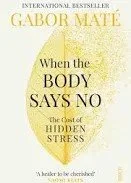
When the Body Says No by Dr. Gabor Maté explores the powerful connection between chronic stress, emotional suppression, and physical illness. Maté argues that the way we cope with stress—especially by suppressing emotions, people‑pleasing, or constantly giving to others—can contribute to real diseases like autoimmune disorders, cancer, and chronic pain. Using scientific research and real patient stories, he shows how personality, early life experiences, and social pressures shape the mind‑body interaction, and he encourages compassionate self‑awareness and emotional attunement as part of health and healing.
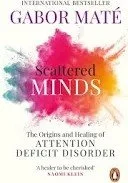
Scattered Minds: The Origins and Healing of Attention Deficit Disorder by Dr. Gabor Maté is a compassionate, holistic reconceptualisation of ADD/ADHD. Instead of viewing it as just a genetic or medical disorder, Maté argues that attention challenges are deeply shaped by early life experiences, emotional stress, attachment and environmental factors, especially in infancy and childhood. He explains how brain systems involved in attention and self-regulation develop in relation to emotional attunement, and how stress and disconnection can lead to the classic symptoms of distractibility, impulsivity and emotional dysregulation. The book blends scientific insight, clinical experience and personal narrative, offers practical understanding for both children and adults with ADD, and emphasises that growth and improved functioning are possible with awareness, supportive relationships and self-compassion.
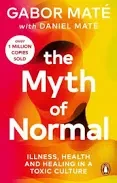
The Myth of Normal: Trauma, Illness, and Healing in a Toxic Culture by Gabor Maté (with Daniel Maté) argues that what we call “normal” health in modern Western society is not actually healthy. Maté shows that rising rates of chronic disease, mental illness, addiction and prescriptions reflect a culture that stresses bodies and minds rather than true wellbeing. He challenges conventional medical thinking by highlighting how trauma, chronic stress, disconnection and societal pressures shape illness and behaviour, and he suggests that healing requires treating the whole person — body, emotions and social context — with compassion and awareness rather than merely managing symptoms.
The Haunted Self: Structural Dissociation and the Treatment of Chronic Traumatization by Onno van der Hart, Ellert Nijenhuis, and Kathy Steele is a trauma-theory book that explains how severe or prolonged trauma can fragment a person’s sense of self into different parts with distinct roles, emotions, and memories. The authors describe structural dissociation — when the mind splits into “apparently normal” parts that handle daily life and “emotional” parts that hold traumatic memories, sensations, and reactions. They argue this framework can better explain complex trauma symptoms (like flashbacks, emotional swings, or identity confusion) than older models. The book combines clinical theory with practical guidance for therapists (and interested readers) on recognizing, understanding, and healing these dissociated parts to integrate the self and reduce trauma’s grip.
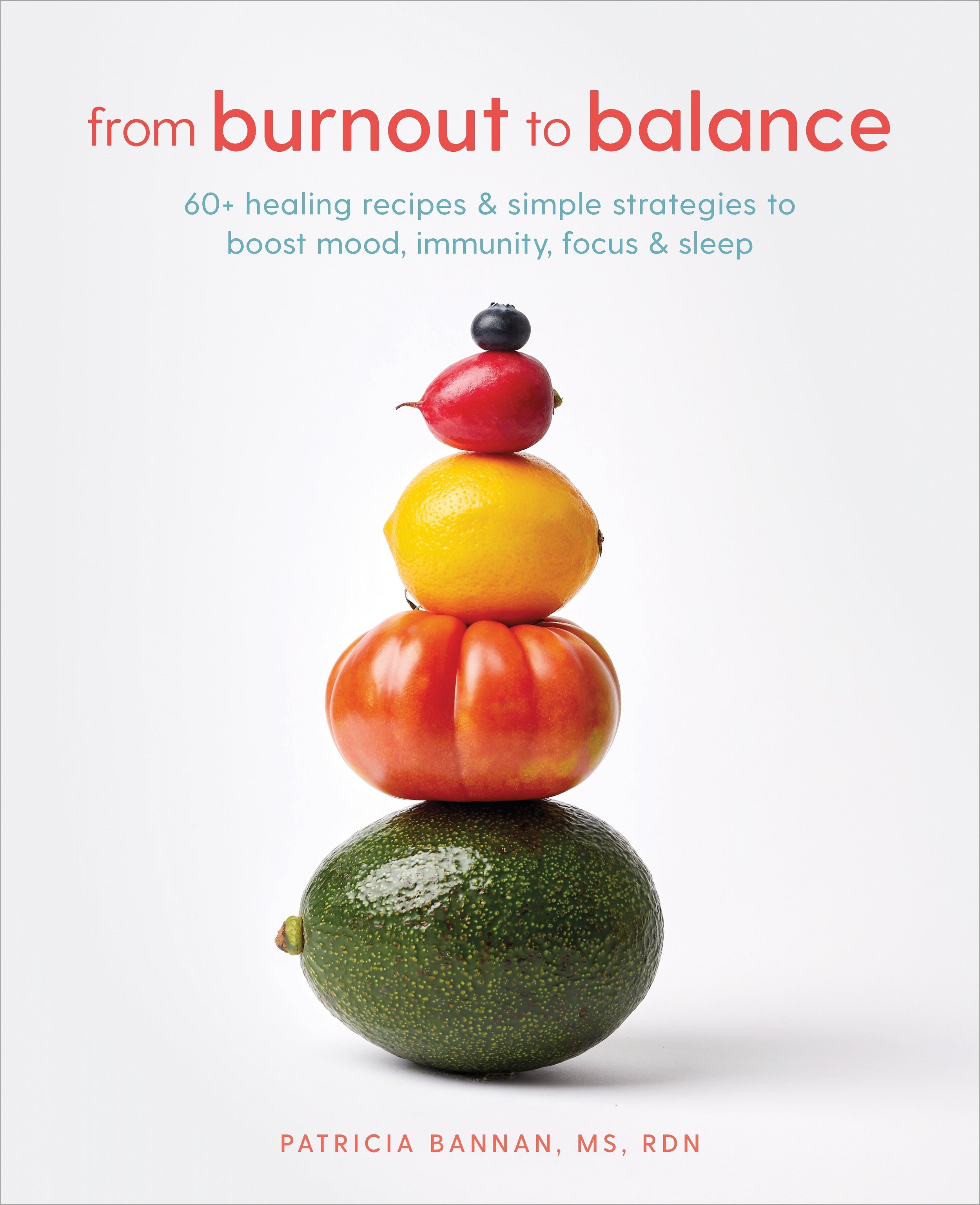
From Burnout to Balance by Patricia Bannan is a food-focused wellness guide designed to help readers recover from burnout by nourishing body and mind. It explains the science of burnout and how chronic stress can affect mood, immunity, focus and sleep, and then offers simple strategies, week-long meal plans and more than 60 easy, nutrient-rich recipes tailored to counter those symptoms. The book blends practical lifestyle tips, comforting stories and straightforward cooking guidance to support physical and mental balance in everyday life.
Burnout: A Guide to Identifying Burnout and Pathways to Recovery by Gordon Parker, Gabriela Tavella and Kerrie Eyers is a research-based self-help book that explains what burnout really is, how to tell if you have it, and what to do about it. It helps you recognise the signs and stages of burnout (which is often misdiagnosed as depression), understand its causes — including workplace stress and personality factors — and offers evidence-based approaches and tools to build resilience, regain your energy and plan a personalised recovery. The book also includes insights into the biology of burnout and stories of people who’ve rebounded from it.
What Happened to You? by Oprah Winfrey and Dr Bruce D. Perry is a trauma and healing book that shifts the focus from “What’s wrong with you?” to “What happened to you?” — inviting readers to understand how early life experiences, especially stress or adversity, shape the brain, behaviour and emotional responses throughout life. Drawing on brain science, case studies and Oprah’s own experiences, the authors explain how trauma affects the nervous system, why many patterns that seem “irrational” are actually survival adaptations, and how healing comes through regulation, relationships, resilience and compassion rather than blame.
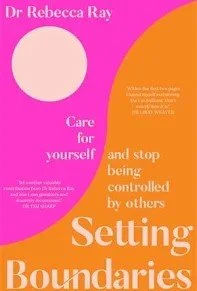
Setting Boundaries by Dr Rebecca Ray is a practical, science-based self-help book that teaches you how to define, communicate and uphold healthy personal limits in relationships and life. Rather than just focusing on saying no, Dr Ray shows how strong boundaries help you protect your energy, pursue what matters to you, and love others without losing yourself. The book explains how to recognise when your boundaries have been crossed, understand unhelpful patterns (like people-pleasing), and engage in difficult conversations from a place of strength and self-kindness — ultimately helping you feel more empowered, fulfilled and in control of your wellbeing.
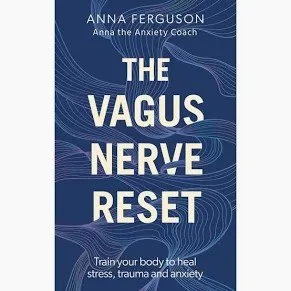
The Vagus Nerve Reset by Anna Ferguson is a self-help guide that teaches you how to work with your nervous system — especially the vagus nerve — to reduce stress, calm anxiety, and heal from past trauma. Drawing on Polyvagal Theory and somatic (body-based) approaches, it explains how chronic stress keeps your nervous system stuck in “fight-or-flight,” and offers practical tools like breathwork, mindful movement, meditation and journalling to retrain your responses and build resilience. The book aims to help readers become more aware of how their bodies react to everyday triggers and reset their stress response for greater emotional and physical wellbeing.
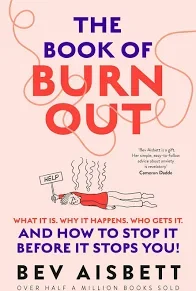
The Book of Burnout: What It Is, Why It Happens, Who Gets It, and How to Stop It Before It Stops You by Bev Aisbett explains burnout as the result of ongoing stress and overwhelm. It describes common signs such as exhaustion, irritability, and loss of motivation, and highlights how people who take on too much or ignore their own needs are more vulnerable. The book uses simple explanations and illustrations to help readers recognise burnout and learn practical ways to slow down, set boundaries, and restore balance.
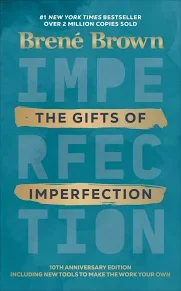
The Gifts of Imperfection by Brené Brown is a self‑help book about embracing your whole, imperfect self and letting go of the need for perfection, approval, and constant self‑judgment. Brown calls this wholehearted living — choosing courage, compassion, and connection over fear and comparison. The book outlines ten guideposts (like letting go of “what will people think?” and cultivating gratitude and play) that help you build resilience, authenticity, and self‑worth. With stories, research, and gentle practices, it encourages you to show up, be real, and find joy and meaning in who you truly are — not who you think you “should” be.
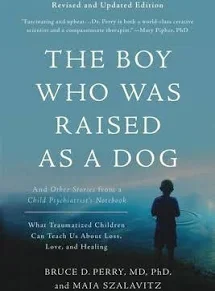
The Boy Who Was Raised as a Dog by Dr. Bruce D. Perry and Maia Szalavitz is a compassionate and science‑based exploration of childhood trauma and healing. Through real case stories of children who’ve endured profound neglect, abuse, or loss, Dr. Perry — a leading psychiatrist and neuroscientist — explains how traumatic experiences affect the developing brain, body and behaviour. Rather than pathologising “bad behaviour,” the book shows how children adapt to survive overwhelming stress, and it highlights the importance of relationship, safety and attuned caregiving in promoting recovery. Blending storytelling with neurobiology, it offers deep insight into how trauma shapes lives and how healing is possible with connection and understanding.
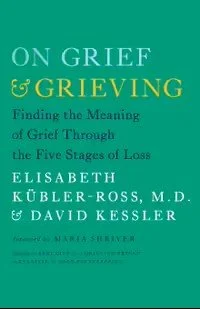
On Grief and Grieving by Elisabeth Kübler‑Ross and David Kessler is a compassionate guide to understanding and navigating grief after loss. Building on Kübler‑Ross’s foundational five stages of grief (denial, anger, bargaining, depression, acceptance), the book explains that these stages are not linear but are normal emotional responses people experience in their own way and timing. It offers insights, real‑world examples, and supportive language to help readers recognise their feelings, honour their loss, and find ways to cope, heal, and eventually integrate grief into their lives with meaning and hope.
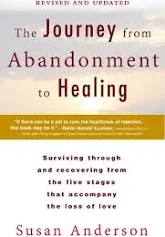
The Journey from Abandonment to Healing by Susan Anderson, Ph.D. is a self-help book about understanding and recovering from the deep emotional pain of abandonment and loss — whether from breakup, divorce, death, or other forms of separation. Anderson explains that abandonment triggers intense grief and can lead to feelings of worthlessness, anxiety, depression, and fear of intimacy. She outlines a clear four-stage healing process (shattering, withdrawal, internalizing, and moving toward wholeness) and offers compassionate, practical tools — including emotional awareness, self-comforting skills, and mind-body practices — to help readers work through the pain, rebuild self-worth, and create healthier relationships and a stronger sense of self.
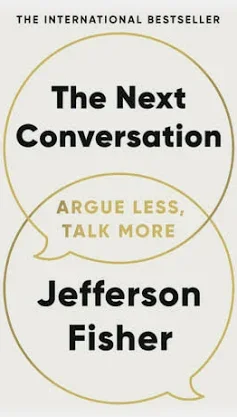
The Next Conversation by Jefferson Fisher is a practical communication guide that teaches you how to argue less and talk more effectively in everyday life. Drawing on his experience as a trial lawyer and communications coach, Fisher offers a clear framework to help you speak with control, confidence and connection, especially in difficult or emotionally charged conversations. The book shows why “winning” an argument isn’t the goal, how to set boundaries, express yourself clearly, and turn conflict into understanding — ultimately helping you strengthen your relationships and navigate tough talks with greater calm and clarity.
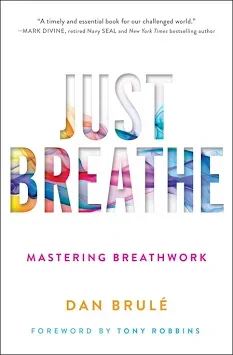
Just Breathe by Dan Brulé is a practical guide to the power of breathwork for improving health, emotional balance, focus, and overall wellbeing. Brulé — a pioneer in modern breathwork — explains how simple, conscious breathing techniques can help reduce stress and anxiety, increase energy, improve sleep, and deepen self-awareness. The book includes easy-to-follow exercises and practices that anyone can use daily to tap into the body’s natural ability to calm the nervous system, enhance performance, and support healing from trauma and tension.
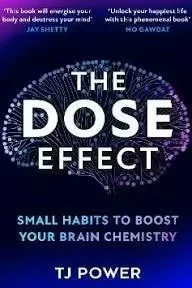
The DOSE Effect by T.J. Power is a self-help guide that explains how to optimise your brain and body by understanding and boosting four key neurochemicals — Dopamine, Oxytocin, Serotonin and Endorphins (DOSE) — which influence motivation, connection, mood and stress. Drawing on neuroscience and practical lifestyle science, Power shows how everyday habits (like social connection, movement, nature exposure and purposeful activity) can naturally balance these chemicals to improve mental health, resilience, happiness and overall wellbeing. The book makes complex brain chemistry accessible and offers actionable tips to help readers enhance motivation, deepen relationships, lift mood and manage stress through simple, sustainable changes.
Open When by Dr Julie Smith is a practical and compassionate self-help book designed to help readers navigate difficult emotions and life challenges through simple, evidence-based psychological tools. Dr Smith uses clear, bite-sized explanations of cognitive-behavioural and emotion-regulation strategies to show how thoughts, feelings and behaviours connect — and how you can shift unhelpful patterns. Full of relatable examples and hands-on exercises, the book offers practical guidance for coping with anxiety, stress, sadness, overwhelm and uncertainty, making psychological insights accessible and usable in everyday life. The tone is warm, approachable and empowering, helping readers build resilience and greater emotional understanding.
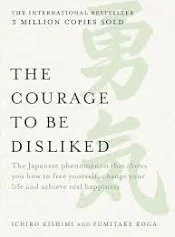
The Courage to Be Disliked by Ichiro Kishimi and Fumitake Koga is a philosophical self-help book based on the ideas of psychologist Alfred Adler. Through a dialogue between a philosopher and a young man, it argues that happiness comes from taking responsibility for your own life rather than being trapped by past experiences or the need for others’ approval. The book emphasizes living in the present, separating your tasks from others’ expectations, and building genuine relationships through contribution rather than validation. Its central message is that true freedom—and the courage to be disliked—comes from choosing your own values and way of living.
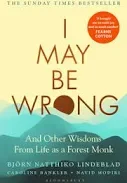
I May Be Wrong by Björn Natthiko Lindeblad is a reflective memoir and spiritual guide about finding peace through humility, presence, and acceptance. Drawing on his years as a Buddhist monk, Lindeblad shares lessons on letting go of the need to be right, releasing attachment to success or control, and meeting life’s uncertainty with openness and compassion. The book’s central idea is that recognizing “I may be wrong” softens the ego, reduces suffering, and creates space for deeper calm, gratitude, and connection in everyday life.
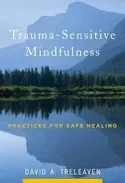
Trauma-Sensitive Mindfulness by David A. Treleaven explains how traditional mindfulness practices can unintentionally trigger or overwhelm people who have experienced trauma, and offers safer, more supportive ways to use mindfulness for healing. The book emphasizes choice, grounding, body awareness, and pacing so individuals can stay within a sense of safety rather than becoming re-traumatized. Its core message is that mindfulness can be a powerful tool for recovery when it is adapted with sensitivity, empowerment, and respect for each person’s nervous system and personal boundaries.
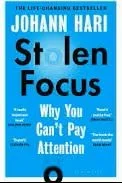
Stolen Focus by Johann Hari explores why many people struggle to concentrate in the modern world and argues that the problem is not just personal weakness but wider social and environmental forces. Drawing on research and interviews, Hari highlights factors such as constant digital distraction, stress, poor sleep, unhealthy work cultures, and weakened community life that erode attention and mental wellbeing.
The book’s central message is that restoring focus requires collective changes—like healthier technology use, better work conditions, stronger social connection, and time in nature—rather than relying solely on individual willpower.
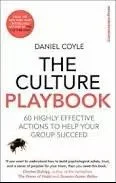
The Culture Playbook by Daniel Coyle examines how effective and positive workplace cultures are deliberately created through everyday behaviors and interactions. Drawing on research and examples from high-performing teams and organizations, Coyle describes practical actions that build trust, psychological safety, connection, and a shared sense of purpose. The book focuses on clear communication, supportive leadership, and simple, repeatable habits that strengthen collaboration and help groups function more effectively.
The Mind-Gut Connection by Emeran Mayer explores the close relationship between the brain, digestive system, and overall emotional and physical health. Combining neuroscience, psychology, and nutrition research, Mayer explains how gut microbes influence mood, stress responses, and mental wellbeing, and how factors such as diet, early life experiences, and lifestyle shape this gut–brain communication.
The book describes practical ways to support this connection—such as mindful eating, stress reduction, and nurturing a healthy microbiome—to improve both digestive health and emotional balance.
In an Unspoken Voice by Peter A. Levine explains that trauma is stored in the body and nervous system rather than only in the mind. Peter Levine describes how overwhelming experiences can disrupt the body’s natural ability to recover from threat.
The book shows that healing occurs by gently reconnecting with bodily sensations and allowing the nervous system to release stored survival responses. By restoring this natural balance, people can recover a sense of safety, resilience, and well-being.
Awakening Somatic Intelligence by Nina Zolotow is a mind-body healing book that teaches you how to listen to and work with your body’s wisdom to heal trauma, release tension, and live more fully present. Drawing on somatic therapy principles, the book helps you understand how emotions, stress, and past experiences are held in the body’s nervous system and movement patterns — not just the mind. Through gentle awareness practices, movement explorations, and guided exercises, Zolotow shows how becoming somatically intelligent (aware of bodily sensations and responses) can increase emotional regulation, deepen connection with yourself and others, and support more authentic, embodied living.
Brain Reset by David Gillespie is a self-help book that explores how modern life’s addictive behaviours — from sugar and screens to drinking and gambling — disrupt dopamine balance in the brain and contribute to rising rates of anxiety, depression, stress and addiction. Gillespie argues that many addictive actions spike dopamine in ways the brain isn’t designed to handle, which impairs mood regulation and fuels mental health challenges. He combines research with practical advice on how to reduce those addictive influences, “reset” the brain’s reward system and regain mental calm, resilience and emotional stability.
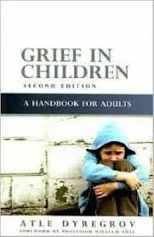
Grief in Children by Atle Dyregrov is a compassionate, practical handbook for adults (parents, carers, teachers and professionals) to understand how children of different ages respond to the death of a loved one and how best to support them through that loss. It explains children’s concepts of death, common physical and emotional reactions, and the ways grief can show up in behaviour, and it offers clear guidance — grounded in research and case examples — on how to communicate, care for and help children process their grief at home, at school and in everyday life.
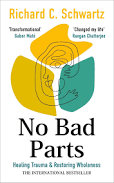
No Bad Parts by Richard C. Shwartz introduces the Internal Family Systems (IFS) model, which teaches that the mind is made up of many different inner “parts,” each with its own role, feelings, and motivations. Rather than being harmful, these parts usually develop to protect us from pain or trauma.
The book explains that emotional healing occurs when people learn to approach these parts with curiosity and compassion, allowing the calm and wise core Self to guide them. By understanding and integrating these inner parts instead of suppressing them, individuals can heal past wounds and restore inner balance.